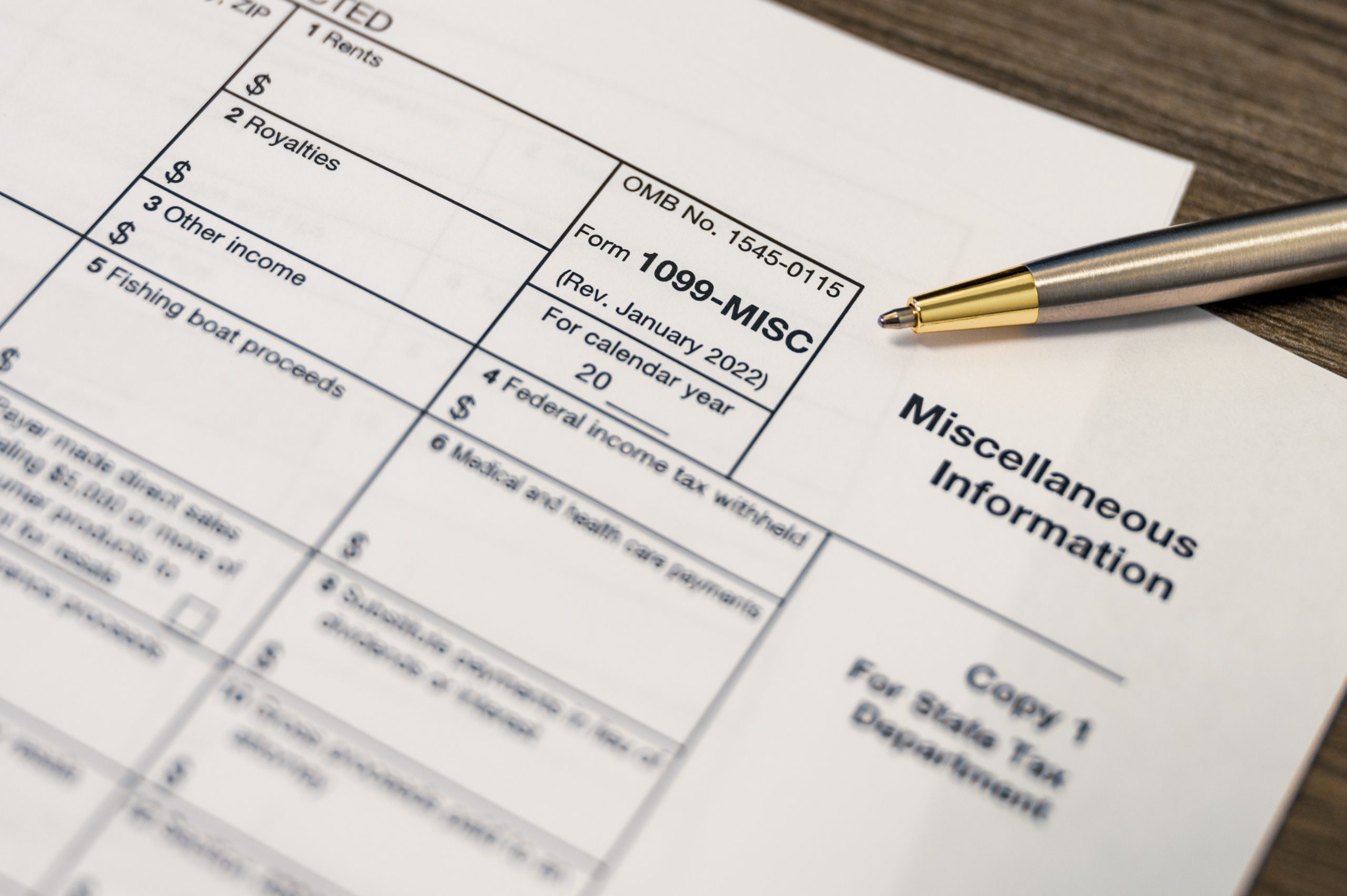
IRS Reduces Paper Filing Threshold for Information Returns
The Internal Revenue Service (IRS) has announced that it will lower thethreshold for filing information returns on paper from 250 to 10, starting fromthe 2023

The Internal Revenue Service (IRS) has announced that it will lower thethreshold for filing information returns on paper from 250 to 10, starting fromthe 2023

WAGE FILING © 2025 | All Rights
Reserved
This guide provides an overview of the most commonly used tax forms, including W-2 and 1099, essential for both employers and independent contractors. Understanding these forms is crucial for accurate tax filing and compliance with IRS regulations.
The W-2 form is used to report wages paid to employees and the taxes withheld from them, while the 1099 form is used for reporting various types of income other than wages, salaries, and tips. Familiarizing yourself with these forms helps streamline the filing process and ensures that all necessary information is reported correctly.
Electronic filing, or e-filing, offers numerous advantages over traditional paper filing, making it a preferred choice for many taxpayers. It allows for faster processing times, reduces the risk of errors, and provides immediate confirmation of submission, enhancing the overall filing experience.
Additionally, e-filing helps minimize the environmental impact by reducing paper usage and simplifies the process of making corrections or amendments. Taxpayers can also benefit from various software tools that guide them through the filing process, ensuring compliance with the latest IRS regulations.
Staying informed about IRS compliance requirements and deadlines is vital for both individuals and businesses. Failing to meet these deadlines can result in penalties and interest charges, making it essential to plan ahead for tax season.
The IRS typically sets specific deadlines for filing various forms, including W-2s and 1099s, which usually fall in January for the previous tax year. Understanding these timelines allows taxpayers to prepare in advance, ensuring they submit all necessary forms on time and avoid potential issues.
This section addresses common questions that taxpayers may have regarding the tax filing process. Topics include how to choose the right forms, what to do if you miss a deadline, and how to handle mistakes on submitted forms.
For instance, if you realize you’ve made an error after filing, it’s crucial to file an amended return as soon as possible to correct the mistake. This proactive approach can help mitigate any penalties and ensure your tax records are accurate.