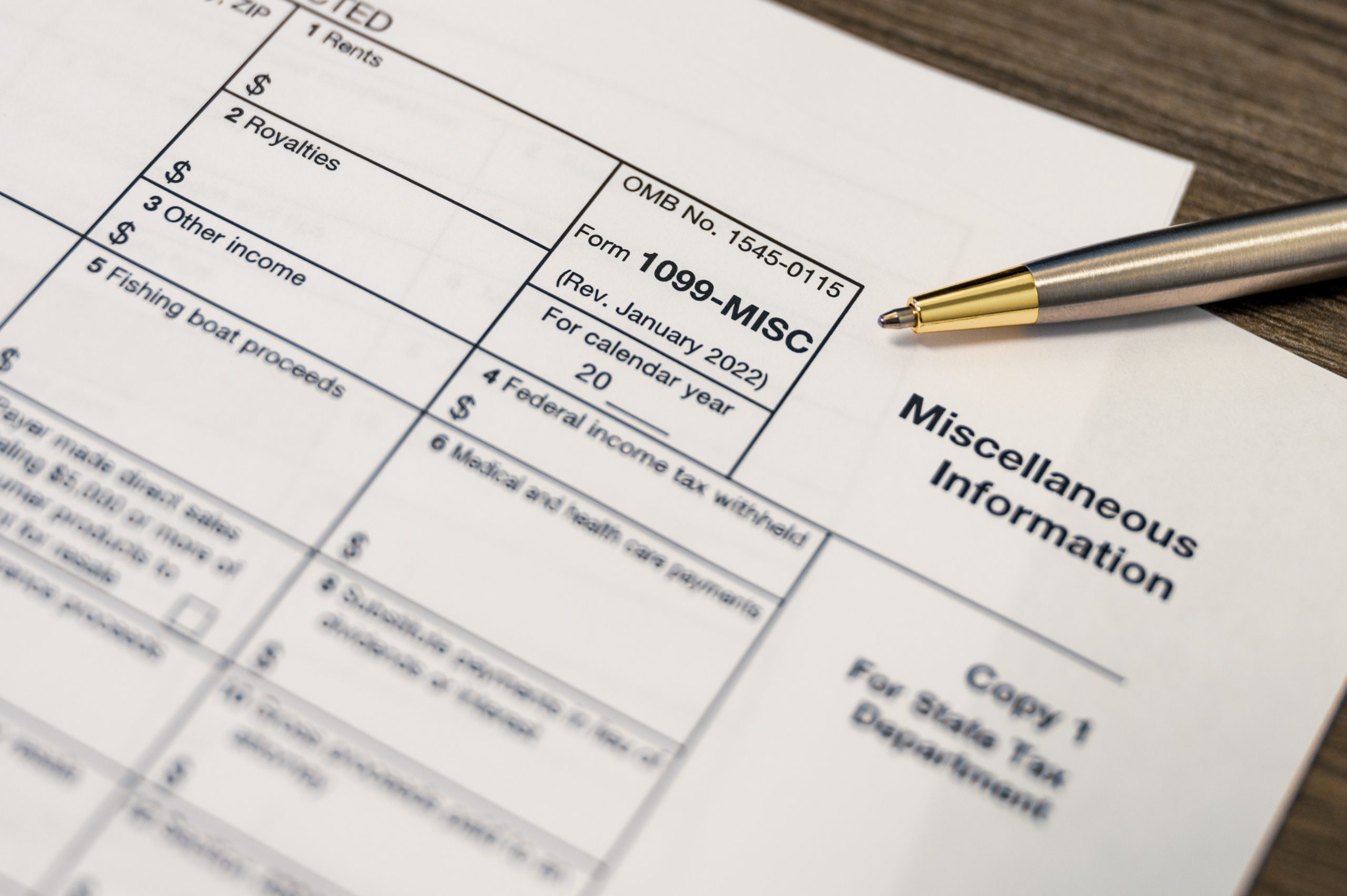
IRS Reduces Paper Filing Threshold for Information Returns
The Internal Revenue Service (IRS) has announced that it will lower thethreshold for filing information returns on paper from 250 to 10, starting fromthe 2023

The Internal Revenue Service (IRS) has announced that it will lower thethreshold for filing information returns on paper from 250 to 10, starting fromthe 2023

WAGE FILING © 2025 | All Rights
Reserved
This guide serves as a complete resource for individuals and businesses looking to navigate the complexities of tax form filing, including 1099 and W-2 forms. It addresses the most common questions and concerns users may have about the filing process, ensuring they have the necessary information at their fingertips.
Whether you are a freelancer needing to file a 1099 or an employer managing W-2 forms for your employees, this guide covers essential topics such as deadlines, required information, and common pitfalls to avoid, empowering users to file accurately and on time.
It's crucial to understand the distinctions between 1099 and W-2 forms, as they serve different purposes in the tax filing process. A W-2 form is used by employers to report wages paid to employees, while a 1099 form is typically used to report income earned by independent contractors and freelancers.
Knowing which form to use can save time and prevent errors during tax season. For instance, employers must provide W-2 forms to employees by January 31st, whereas 1099 forms must be issued to contractors by the same date, with the IRS deadline for submission varying based on the method of filing.
Filing 1099 forms can be straightforward if you follow a structured approach. Start by gathering all necessary information about the payees, including their tax identification numbers and the total amount paid during the tax year. This information is essential for accurate reporting.
Once you have the data, you can use various e-filing services, like WageFiling, to submit your forms electronically. This method not only streamlines the process but also ensures compliance with IRS regulations, helping you avoid potential penalties associated with late or incorrect filings.
Many taxpayers make common mistakes that can lead to complications during the filing process. These include incorrect personal information, misclassifying workers, or failing to file forms on time. Understanding these pitfalls can help ensure a smoother filing experience.
For example, not checking the accuracy of Social Security numbers can result in delays or rejections from the IRS. Additionally, being aware of the specific requirements for each form can prevent misclassification, which is crucial for compliance and avoiding audits.