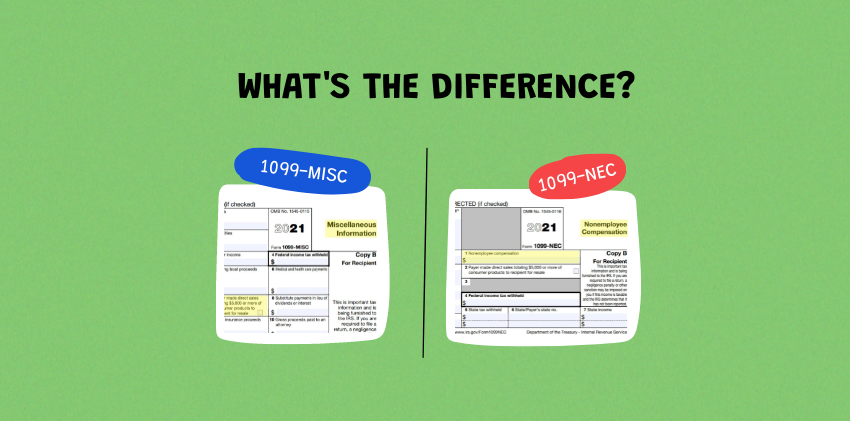
What is the difference between a 1099 MISC and 1099 NEC?
A 1099 NEC form is only for reporting Non-Employee Compensation. This used to be reported on 1099 MISC in Box 7 but the IRS split

A 1099 NEC form is only for reporting Non-Employee Compensation. This used to be reported on 1099 MISC in Box 7 but the IRS split

WAGE FILING © 2025 | All Rights
Reserved
This guide provides an overview of the various tax forms available for individuals and businesses, specifically focusing on W-2 and 1099 forms. Understanding these forms is crucial for accurate tax reporting and compliance with IRS regulations.
Tax forms are essential documents used to report income, expenses, and other financial information to the IRS. The W-2 form is used by employers to report wages paid to employees, while the 1099 form is used to report income earned by independent contractors and other non-employees. Familiarity with these forms helps taxpayers ensure they file their taxes correctly and avoid potential penalties.
e-Filing, or electronic filing, offers numerous advantages over traditional paper filing methods. It streamlines the process, allowing users to submit their tax forms quickly and securely from the comfort of their homes.
One of the key benefits of e-Filing is the speed of processing. The IRS typically processes e-filed returns faster than paper returns, resulting in quicker refunds. Additionally, e-Filing reduces the risk of errors, as software programs often include checks to ensure accuracy, helping taxpayers avoid costly mistakes.
To ensure compliance, it's essential to understand the IRS requirements for filing tax forms, including deadlines and necessary documentation. Each form has specific guidelines that must be followed to avoid penalties and ensure proper processing.
For instance, W-2 forms must be submitted to the IRS by January 31st of each year, while 1099 forms have varying deadlines depending on the type of 1099 being filed. Staying informed about these requirements helps taxpayers fulfill their obligations and avoid delays in processing their returns.
Filing taxes can be daunting, and many individuals make common mistakes that can lead to issues with the IRS. Being aware of these pitfalls can help taxpayers file their returns accurately and efficiently.
Some frequent mistakes include incorrect personal information, such as Social Security numbers, failing to report all income, and overlooking deductions or credits. By double-checking their forms and ensuring all information is accurate, taxpayers can minimize the risk of an audit and ensure a smooth filing process.