
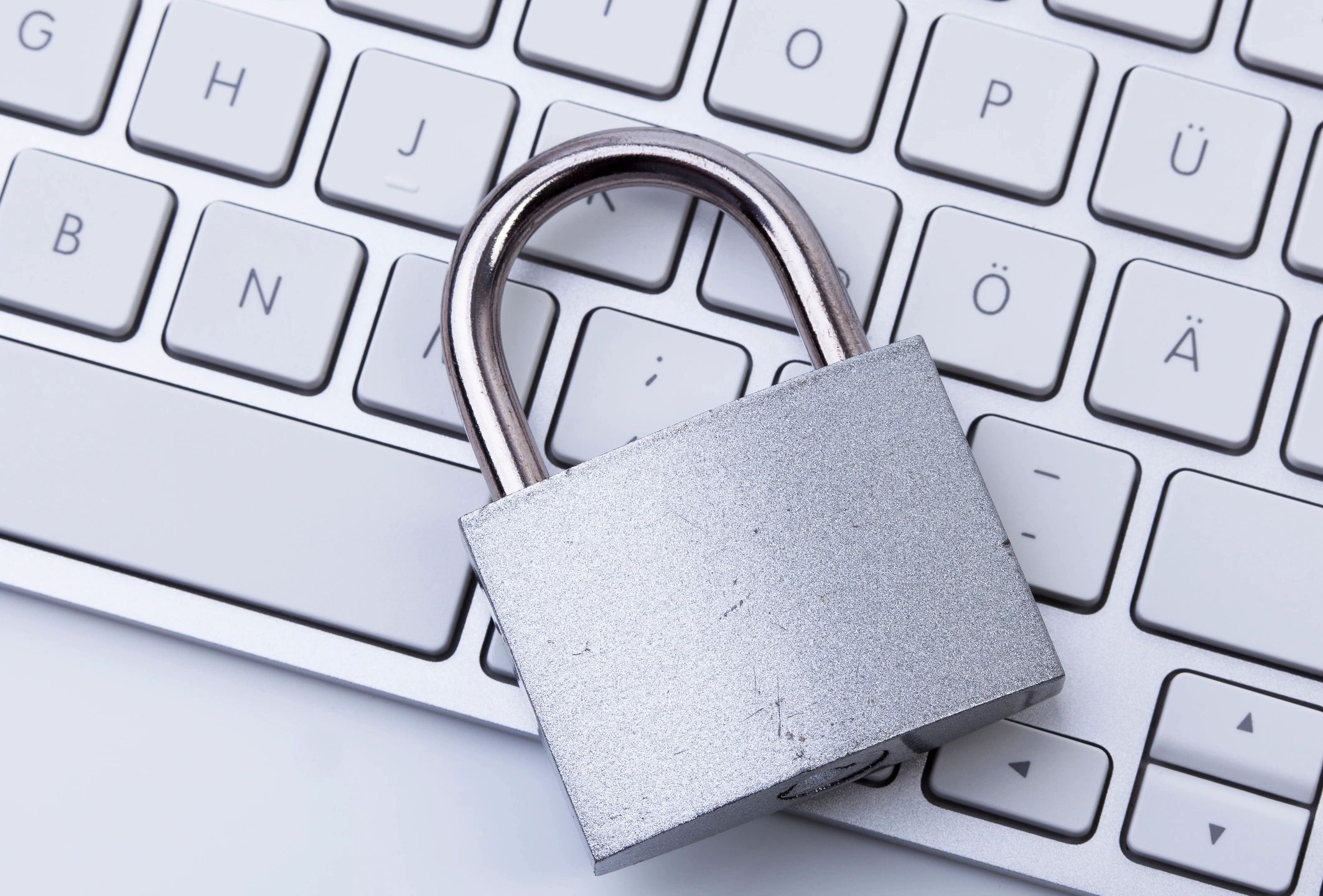
As more small businesses move their tax filing online, the need for strong data protection has never been greater. With sensitive information like Social Security numbers, bank details, and tax IDs passing through digital systems, a single oversight can lead to costly security risks.
The IRS is modernizing how information returns are processed, and platforms like WageFiling are updating their systems to match those evolving standards. Understanding these changes and adopting secure data habits is key to staying compliant and protected during the 2026 filing season.
Key takeaway: Secure efiling is not only about meeting IRS requirements. It is about protecting your business, your contractors, and your employees from potential breaches and fraud.
IRS Modernization and Why Security Matters
The IRS has been rolling out new technology to streamline how 1099 and W-2 forms are submitted. The transition from the FIRE (Filing Information Returns Electronically) system to the IRIS platform is part of that modernization effort.
While these changes simplify efiling for many businesses, they also highlight a growing need for enhanced security. Every digital filing system that stores or transmits taxpayer data must now meet stricter compliance and encryption standards.
Small business owners who file online, whether directly through the IRS or using a service like WageFiling, should take this as an opportunity to strengthen their own digital practices.
You can read more about IRS recommendations for keeping your personal and business information safe online in the article
These Security Guidelines Can Help Keep Personal Info Safe Online.
How WageFiling Is Enhancing Data Security
WageFiling recently announced several important updates designed to protect user data and align with the IRS’s evolving efiling systems.
Here are the most notable improvements:
- Updated Data Retention and Archiving Policy:
WageFiling now limits customer data storage to five tax seasons in total. The two most recent years are stored in secure processing storage, and the three preceding years are archived in encrypted storage before being permanently deleted. - Encrypted Storage and Controlled Access:
All customer files uploaded to WageFiling’s system are encrypted during storage and handling. Access to this data is restricted to authorized team members in accordance with the company’s cybersecurity and data destruction policies. - Scheduled Data Destruction:
Each December, the oldest files in archived storage are securely deleted under the supervision of WageFiling’s Operations and IT Managers. Once deleted, these files cannot be recovered. - Preparation for the IRIS System:
The IRS is introducing the new IRIS efiling platform for 1099 forms beginning with the 2026 filing season. WageFiling has already updated its data import templates and internal systems to prepare for this transition.
For more information about these specific platform changes and the new retention policy, visit Important Updates to WageFiling.
3 Steps Small Businesses Can Take to Protect Efiling Data
Protecting taxpayer information is not just the IRS’s responsibility. It is part of every small business owner’s filing process. Here are three simple steps to strengthen your own security practices:
1. Use Strong, Unique Passwords for Each Account
Avoid reusing passwords across multiple sites. Combine uppercase and lowercase letters, numbers, and symbols. Consider using a password manager to store credentials safely.
2. Limit Data Storage
Keep only what you need. Delete old records once you have filed and backed up necessary documents securely. This limits the amount of personal data that could be exposed in a breach.
3. Efile Through Verified, Secure Platforms
Always file through IRS-authorized providers like WageFiling. Secure efiling platforms use encryption to protect your information during transmission and prevent unauthorized access.
The Connection Between Compliance and Trust
For small businesses, compliance and reputation go hand in hand. By showing that your business values data protection, you reinforce trust with your contractors, employees, and clients.
IRS regulations require strong data safeguards, but beyond compliance, security is about demonstrating integrity in how you handle personal and financial information.
Choosing tools that share that same standard, such as WageFiling, ensures your data is handled with care from start to finish.
Frequently Asked Questions
Does WageFiling store my personal or business data?
Yes, but only temporarily. WageFiling retains limited data for active tax years to make refiling and record access easier. Older data is securely deleted according to its updated retention and destruction policies.
How long does WageFiling keep my information?
Customer data is retained for five tax seasons in total. The two most recent years are active, and the three prior years are securely archived before being permanently deleted.
Do these security changes affect how I efile?
No. The efiling process will remain the same, simple, fast, and paper-free, but with stronger protection and updated storage protocols behind the scenes.
Keep Your Business Safe and Secure with WageFiling
WageFiling continues to evolve with IRS requirements to give small business owners peace of mind. Whether you are preparing to efile 1099s, W-2s, or 1098s, you can trust that your data is handled securely.
Get started today at WageFiling.com and make next year’s filing your most secure and stress-free yet.
Preferred Sources Reminder Block
Make sure you always have access to trusted 1099 and W-2 resources. Add WageFiling as a Preferred Source in your Google search results so our latest blogs, filing guides, and IRS updates always appear first.
If you do not see the star icon in Google yet, you can still stay connected by bookmarking WageFiling.com or saving the WageFiling Blog for quick access to new articles and updates throughout the tax season.